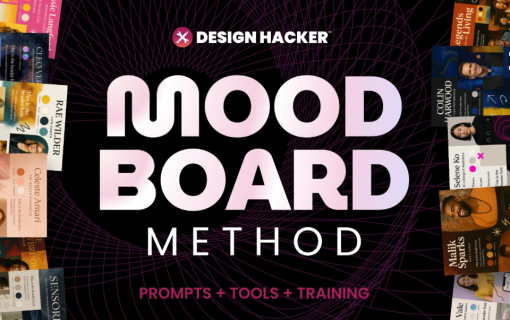
Andrew Lane – Mood Board Method
$158.00 Original price was: $158.00.$27.00Current price is: $27.00.

Introduction to Andrew Lane – Mood Board Method
In today’s fast-paced digital world, clarity is rare. People chase goals, build businesses, and pursue relationships without a clear internal blueprint. This is exactly where Andrew Lane – Mood Board Method stands apart. Instead of vague visualization techniques or surface-level goal setting, this method focuses on creating a structured emotional and visual framework that aligns identity, intention, and action.
The Mood Board Method is not just about aesthetics. system. When used correctly, it becomes a powerful personal alignment tool that guides decisions, relationships, business moves, and lifestyle upgrades.
This guide will break down everything in deep detail so you can understand how it works, why it works, and how to apply it effectively.
What Is the Mood Board Method?
At its core, the Mood Board Method is a structured visual strategy used to:
Clarify long-term vision
Align emotional drivers with practical goals
Build a cohesive identity
Eliminate distraction and decision fatigue
Unlike random Pinterest boards or generic vision boards, this method is intentional and strategic. Every image, color, symbol, and word is chosen to represent a specific emotional outcome or identity shift.
It operates on one simple truth:
You move toward what you repeatedly visualize and emotionally reinforce.
But the key difference is precision.
The Psychology Behind Andrew Lane – Mood Board Method
The method works because it leverages three powerful psychological principles:
1. Visual Anchoring
The brain processes images 60,000 times faster than text. When you consistently see curated visuals representing your ideal identity or lifestyle, your subconscious begins to normalize them.
2. Emotional Encoding
Goals fail when they are logical but not emotional. The Mood Board Method encodes goals with emotional triggers — status, freedom, connection, power, peace — making them more motivating.
3. Identity Alignment
Most people chase outcomes. This method focuses on becoming the type of person who naturally achieves those outcomes.
When identity changes, behavior follows automatically.
Core Pillars of the Method
1. Identity First, Outcome Second
Instead of asking, “What do I want?”
You ask, “Who do I need to become?”
Your board should reflect:
Personal presence
Lifestyle standard
Social positioning
Emotional state
The outcome is a byproduct of identity.
2. Emotional Categorization
Your board should include emotional categories such as:
Power
Abundance
Attraction
Status
Discipline
Peace
Adventure
Each section must be intentional. Random inspiration weakens clarity.
3. Lifestyle Architecture
The Mood Board Method treats life like a designed structure. You are not “hoping” for success — you are architecting it.
This includes:
Relationship standards
Financial benchmarks
Physical presence
Environment aesthetics
Social circle expectations
Everything on the board should represent a deliberate choice.
How to Build a High-Level Mood Board
Here is a structured breakdown for creating your own system inspired by Andrew Lane – Mood Board Method:
Step 1: Define Your Core Identity Statement
Write one powerful sentence that describes your upgraded self.
Example:
“I am disciplined, socially respected, financially independent, and emotionally controlled.”
This becomes your foundation.
Step 2: Divide Your Board Into Strategic Sections
Create separate sections such as:
Wealth & Business
Social Status & Network
Relationships & Attraction
Physical Aesthetics
Environment & Living Standards
Travel & Experiences
Personal Discipline & Routine
Each section should contain 5–10 intentional visuals.
Step 3: Use Specific, Not Generic Images
Avoid vague luxury images.
Instead of:
“Nice car”
Choose:
The exact model, color, and interior.
Specificity programs direction.
Step 4: Eliminate Low-Standard Visuals
If something feels average, remove it.
This method is about raising internal standards.
Step 5: Daily Exposure and Emotional Reinforcement
The board must be seen daily.
Morning review is ideal.
Ask:
Does my behavior today match this identity?
Are my decisions aligned with this vision?
Consistency builds momentum.
Why Most Vision Boards Fail
Traditional vision boards fail because:
They are overly broad
They focus on material items only
They lack emotional depth
They are not reviewed consistently
They do not connect to identity
Andrew Lane – Mood Board Method fixes these flaws by integrating structure, clarity, and discipline.
The Strategic Advantage of This Method
This system provides advantages in:
1. Dating & Social Positioning
When you clarify the type of environment and partner you desire, your social decisions become more selective and confident.
2. Business Decision-Making
Clarity reduces distraction. You stop chasing shiny opportunities and focus on aligned opportunities.
3. Confidence Building
When your actions align with a defined identity, self-doubt decreases.
4. Personal Branding
Your external image becomes consistent with your internal vision.
Applying the Method to Business Growth
If you are building brands, websites, or online assets, this method becomes extremely powerful.
For example:
Define the level of authority your brand should represent.
Visualize the exact positioning in the market.
Curate visuals that represent premium perception.
Align content tone and structure accordingly.
This creates brand cohesion.
When clarity increases, execution becomes sharper.
Mood Board Method vs Goal Setting
| Traditional Goal Setting | Mood Board Method |
|---|---|
| Focuses on tasks | Focuses on identity |
| Short-term targets | Long-term positioning |
| Logical motivation | Emotional alignment |
| Checklist-driven | Vision-driven |
The difference is strategic depth.
Advanced Layer: Environmental Programming
Beyond a digital board, integrate visuals into your real environment:
Phone wallpaper
Desktop background
Workspace décor
Notebook covers
Daily journal headers
Your surroundings should echo your standards.
Environment shapes behavior more than willpower.
Long-Term Transformation Strategy
To extract maximum benefit:
Month 1:
Build clarity and refine visuals.
Month 2:
Start removing behaviors that contradict the board.
Month 3:
Upgrade habits to match identity.
Month 4+:
Refine, elevate, and remove outdated goals.
The board should evolve as you evolve.
Common Mistakes to Avoid
Copying someone else’s lifestyle
Choosing unrealistic visuals without a strategy
Overloading the board with 100+ images
Ignoring financial practicality
Reviewing inconsistently
Remember, this is a precision tool.
Emotional Control & Masculine Framing
One unique strength of Andrew Lane – Mood Board Method is its emphasis on controlled identity framing.
You are not chasing validation.
You are designing a standard.
This subtle shift changes:
Body language
Tone of voice
Decision speed
Social confidence
It builds internal authority.
Integrating the Method With Daily Discipline
To make this system unstoppable:
Combine it with a structured morning routine
Track habits weekly
Review progress monthly
Adjust visuals quarterly
Clarity without execution is fantasy.
Execution without clarity is chaos.
The Mood Board Method bridges both.
Realistic Implementation Timeline
30 days:
Improved clarity
Better decision-making
Increased confidence
90 days:
Visible habit upgrades
Social alignment shifts
Sharper brand positioning
1 year:
Lifestyle reflection of original board
Consistency is everything.
Final Thoughts on Andrew Lane – Mood Board Method
The real power of Andrew Lane – Mood Board Method lies in alignment. It is not about dreaming bigger — it is about designing smarter.
When your identity, environment, emotions, and actions align, progress accelerates naturally.
Instead of reacting to life, you start directing it.
This method is not magic. It is structured intentionality.
If applied correctly, it becomes a silent competitive advantage in business, relationships, and personal growth.
You do not rise to your goals.
You fall to your standards.
Raise the standards. Design the vision.
Then execute relentlessly.