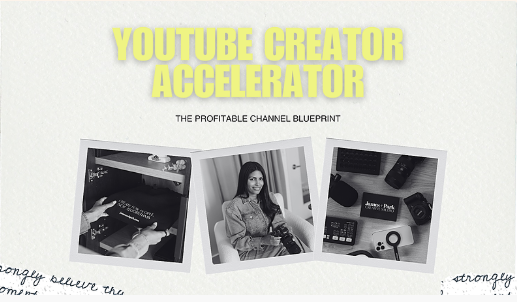
Latasha James – YouTube Creator Accelerator
$497.00 Original price was: $497.00.$95.00Current price is: $95.00.

Lorrie Morgan – Story-Based Emails that Sell to Women
Introduction
In today’s crowded digital marketplace, grabbing attention is harder than ever—especially when your audience is women who are emotionally intelligent, value-driven, and selective about what they engage with. Traditional marketing tactics often fall flat because they rely too heavily on logic and not enough on emotional connection. That’s where Lorrie Morgan – Story-Based Emails that Sell to Women comes in as a powerful strategy.
This approach is not just about writing emails—it’s about crafting experiences. It combines storytelling psychology, emotional triggers, and authentic communication to create emails that don’t just get opened but also convert. Instead of pushing products, it pulls readers into a relatable narrative that builds trust and inspires action naturally.
What Makes Story-Based Emails So Effective?
Storytelling is one of the oldest and most powerful forms of communication. Humans are wired to respond to stories because they create emotional engagement and memory retention.
When applied correctly in email marketing:
- Stories make your message relatable
- They create emotional resonance
- They build trust and connection
- They guide readers toward a decision without pressure
Women, in particular, often respond more strongly to storytelling because they tend to value emotional depth, authenticity, and meaning in communication.
Understanding the Psychology Behind Selling to Women
Before diving into strategies, it’s important to understand how women generally make buying decisions.
1. Emotion First, Logic Second
Women often connect emotionally before justifying purchases logically. If your email doesn’t create an emotional hook, it will likely be ignored.
2. Trust is Everything
Women are more likely to buy from brands they trust. Storytelling helps build this trust faster than direct selling.
3. Relatability Matters
Women engage more when they see themselves in the story—whether it’s a struggle, transformation, or success.
4. Community & Connection
Emails that feel personal, inclusive, and conversational perform better.
Core Principles of Story-Based Email Writing
1. Start With a Hook
Your opening line should immediately capture attention. This could be:
- A personal confession
- A relatable problem
- A surprising statement
Example:
“I almost gave up on my business last year…”
This creates curiosity and emotional engagement instantly.
2. Build a Relatable Story
Your story should include:
- A problem or struggle
- An emotional experience
- A turning point
- A resolution
Make sure the reader can see themselves in your situation.
3. Introduce the Solution Naturally
Instead of directly selling, introduce your product or service as part of the story.
Bad example:
“Buy my course now.”
Better example:
“That’s when I discovered a method that completely changed how I write emails…”
4. Use Emotional Language
Words that trigger emotions are key:
- Frustrated
- Overwhelmed
- Excited
- Confident
- Relieved
This helps deepen the connection.
5. End With a Soft Call-to-Action
Instead of aggressive selling, guide the reader gently:
- “If you’ve ever felt this way, you’ll love this…”
- “This might help you too…”
The Framework Behind High-Converting Emails
A simple yet powerful structure used in Lorrie Morgan – Story-Based Emails that Sell to Women includes:
1. The Hook
Grab attention immediately.
2. The Story
Share a relatable experience.
3. The Lesson
Highlight what you learned.
4. The Offer
Introduce your product naturally.
5. The CTA
Encourage action without pressure.
Example of a Story-Based Email
Subject: I didn’t expect this to work…
Email Body:
Last month, I was struggling to get even a single sale from my emails.
I tried everything—fancy templates, long copy, even discounts.
Nothing worked.
I started to feel frustrated… like maybe email marketing just wasn’t for me.
Then one day, I decided to try something different.
Instead of selling, I just shared a story.
No pitch. No pressure.
Just a real experience.
And something surprising happened…
People replied.
They connected.
And yes… they bought.
That’s when I realized something important:
People don’t buy products—they connect with stories.
If you’ve been struggling with your emails too, this approach might change everything for you.
Common Mistakes to Avoid
1. Being Too Salesy
Avoid pushing your product too hard. It breaks trust.
2. Overcomplicating the Story
Keep it simple and clear.
3. Ignoring Emotional Depth
Facts don’t sell—feelings do.
4. Writing Like a Brand Instead of a Human
Your emails should feel like a conversation, not a corporate message.
Advanced Techniques for Better Results
1. Use Personal Experiences
Real stories outperform generic ones.
2. Add Specific Details
Details make stories more believable and engaging.
Example:
Instead of “I was struggling,” say:
“I spent 3 hours staring at my screen, trying to write one email…”
3. Create Curiosity Gaps
Leave small unanswered questions to keep readers hooked.
Example:
“What happened next completely surprised me…”
4. Write Like You Speak
Use simple language and a conversational tone.
5. Segment Your Audience
Different women have different needs. Customize your storytelling accordingly.
Why This Strategy Works Better Than Traditional Marketing
Traditional emails focus on:
- Features
- Benefits
- Discounts
Story-based emails focus on:
- Emotions
- Experiences
- Transformation
This shift makes a huge difference because:
- It feels more authentic
- It builds long-term relationships
- It increases engagement and conversions
Who Should Use This Strategy?
This approach is perfect for:
- Course creators
- Coaches
- Digital marketers
- E-commerce brands targeting women
- Personal brands
If your audience includes women, this method can significantly improve your email performance.
How to Get Started
Step 1: Identify Your Audience
Understand their struggles, desires, and emotions.
Step 2: Collect Stories
Use your own experiences or customer stories.
Step 3: Practice Writing Daily
Consistency improves storytelling skills.
Step 4: Test and Optimize
Track what works and refine your approach.
Final Thoughts
The power of Lorrie Morgan – Story-Based Emails that Sell to Women lies in its simplicity and authenticity. It shifts the focus from selling to connecting. And when you connect deeply with your audience, sales become a natural outcome.
Instead of asking, “How can I sell this?”
Start asking, “What story can I share?”
That one shift can transform your entire email marketing strategy.