
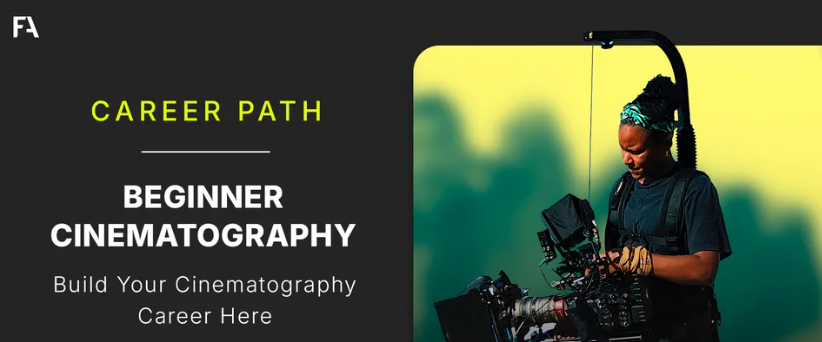

Shane Haributh – Beginner Cinematography Career Path 2.0
If you’re serious about building a career behind the camera and want a clear, structured roadmap instead of random YouTube tutorials, Shane Haributh – Beginner Cinematography Career Path 2.0 is designed to guide aspiring filmmakers from zero to working professional. This program focuses on practical skills, mindset, and real-world workflows used in the film and commercial industry.
Created by award-winning cinematographer Shane Hurlbut, this course is built to shorten your learning curve and help you understand not just how to use a camera—but how to think like a Director of Photography (DP).
In this detailed guide, you’ll discover what the program covers, who it’s for, what makes it unique, and how it can help you transition from beginner to paid cinematographer.
Who Is Shane Hurlbut?

Shane Hurlbut is a Hollywood cinematographer known for his work on major films such as:
Act of Valor
Need for Speed
Terminator Salvation
With decades of experience in feature films, commercials, and music videos, he understands both the creative and technical sides of cinematography. What sets him apart is his ability to teach complex concepts in a practical, beginner-friendly way.
This course is not theory-heavy fluff. It’s a structured system built from real set experience.
What Is Beginner Cinematography Career Path 2.0?
This program is a step-by-step roadmap designed to help aspiring cinematographers:
Understand camera fundamentals
Master lighting techniques
Learn composition and visual storytelling
Build a professional reel
Develop on-set confidence
Position themselves for paid opportunities
Unlike scattered online tutorials, this is structured as a progressive career path. Each module builds on the previous one so you don’t feel lost or overwhelmed.
What You’ll Learn Inside the Course
1. Cinematography Foundations
The course begins with core principles:
Exposure triangle (ISO, aperture, shutter speed)
Dynamic range
Color temperature
Lens basics
Camera movement fundamentals
Instead of memorizing specs, you learn why these tools matter and how they impact emotion and storytelling.
You’ll understand how to create mood intentionally, not accidentally.
2. Lighting Like a Professional
Lighting is what separates amateurs from professionals.
This program breaks down:
Three-point lighting
Motivated lighting
Natural light shaping
Practical lights
Indoor vs outdoor lighting strategies
Low-budget lighting setups
You’ll learn how to create cinematic looks even with limited equipment. That’s crucial if you’re just starting out and don’t own expensive gear.
3. Visual Storytelling & Composition
Cinematography is not about pretty shots—it’s about storytelling.
Inside this section, you learn:
Shot composition principles
Framing psychology
Camera angles and emotional impact
Blocking for movement
Scene coverage techniques
Visual continuity
You begin thinking like a DP instead of just a camera operator.
4. Camera Gear & Equipment Strategy
Beginners often waste money buying the wrong gear.
This training explains:
When to rent vs buy
Budget camera recommendations
Lens selection for storytelling
Essential accessories
Monitoring and workflow tools
The focus is on smart investment, not gear obsession.
5. On-Set Workflow & Professional Behavior
One of the biggest gaps in online filmmaking education is professional set etiquette.
This section covers:
Working with directors
Communicating with crew
Managing time under pressure
Problem-solving on set
Leading a camera department
If you want to get hired again, professionalism matters as much as skill.
6. Building a Strong Showreel
Your showreel is your calling card.
You’ll learn:
What to include
What to avoid
How long it should be
Shot sequencing strategy
How to present your work professionally
A well-structured reel increases your chances of landing freelance or industry work.
Who Is This Course For?
This program is ideal for:
Complete beginners with no film school background
Content creators who want cinematic quality
Videographers transitioning to narrative filmmaking
Film students who want practical industry guidance
Freelancers wanting to increase rates
If you already understand advanced cinema workflows, this may feel foundational. But for beginners, it provides clarity and direction.
What Makes This Training Different?
1. Real Industry Perspective
Many online courses are made by YouTubers. This one is created by a working Hollywood cinematographer with major film credits.
That perspective changes everything.
2. Career-Focused Structure
It’s not just about “how to shoot.” It’s about:
Building credibility
Networking effectively
Positioning yourself professionally
Creating opportunities
3. Clear Learning Path
Instead of random lessons, it follows a logical progression:
Foundations → Lighting → Storytelling → Professional Workflow → Career Development
That structure keeps beginners focused and motivated.
Benefits of Following a Structured Career Path
Trying to become a cinematographer without guidance often leads to:
Gear confusion
Skill gaps
Poor networking
Inconsistent work
A structured path reduces:
Time wasted on irrelevant content
Money wasted on wrong equipment
Frustration from lack of direction
When you know what to focus on at each stage, progress becomes measurable.
Career Opportunities After Completion
Once you build skills and a portfolio, potential opportunities include:
Assistant Camera (AC)
Camera Operator
Freelance Cinematographer
Music Video DP
Commercial Videographer
Indie Film DP
YouTube Production Specialist
Event Cinematographer
Growth in this field depends on skill, networking, and consistency. This program helps you build all three foundations.
Skills You Develop Beyond Camera Work
This training doesn’t just teach technical settings. It also builds:
Creative decision-making
Leadership confidence
Client communication
Visual analysis
Story interpretation
Those skills are transferable across film, advertising, and digital content industries.
Is Film School Necessary?
Film school can be valuable, but it’s expensive and often theory-heavy.
A focused career path program like this emphasizes:
Practical execution
Real-world workflows
Industry insights
Hands-on application
For many aspiring cinematographers, structured online training combined with practice can be more cost-effective and efficient.
How to Get the Best Results
To maximize results:
Practice after every lesson.
Recreate lighting setups.
Shoot short scenes regularly.
Build a portfolio early.
Network with local filmmakers.
Learning without implementation won’t build a career.
Common Beginner Mistakes This Course Helps Avoid
Overexposing footage
Ignoring color temperature
Poor audio collaboration
Buying unnecessary gear
Not understanding shot continuity
Failing to plan lighting
Avoiding these mistakes early accelerates growth dramatically.
Final Thoughts
Building a cinematography career is not about luck. It’s about structured learning, consistent practice, and professional mindset.
Shane Haributh – Beginner Cinematography Career Path 2.0 offers a clear roadmap for aspiring filmmakers who want to transition from hobbyist to professional. By combining technical knowledge, storytelling insight, and real industry workflow, it helps beginners move forward with confidence.
If you’re serious about working behind the camera, mastering lighting, and developing a cinematic eye, following a structured system like this can significantly reduce the time it takes to reach professional level.
Success in cinematography requires patience and repetition—but with the right guidance, your progress becomes intentional rather than accidental.